

If you’ve ever watched a scaffold go up on a property in Padstow or spotted a crew working on a seafront terrace in Newquay, you’ll know that scaffolding in Cornwall isn’t quite like scaffolding anywhere else. The weather is different. The streets are different. The buildings are different. And if you’re planning to work on your property, those differences matter more than most people realise. Here’s what you need to know before you book your Cornwall scaffolding!
Why Cornwall Is Unlike Anywhere Else for Scaffolding
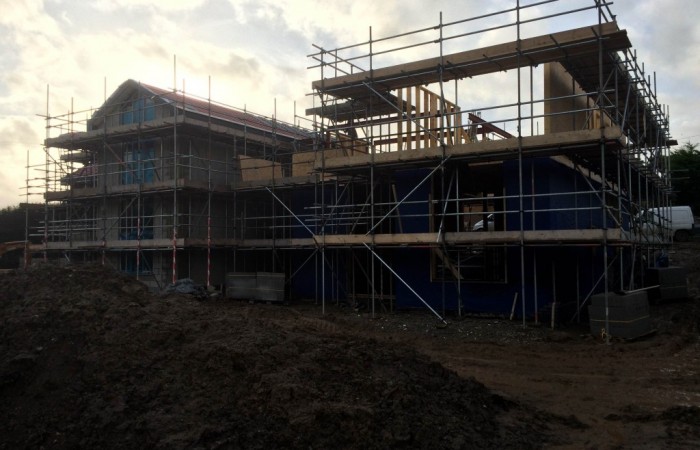
Cornwall has one of the most demanding environments in the UK for outdoor construction work. The combination of salt-laden air, exposed coastal positions, and rapidly changing Atlantic weather creates challenges unique to the Duchy.
What Salt Air Actually Does to Scaffold Equipment
Salt air accelerates corrosion on metal components. For scaffolding, that means fittings, tubes and couplers work harder in coastal Cornwall. A reputable local scaffolding company will manage this through regular equipment inspection, appropriate maintenance schedules and using galvanised or treated components where needed. It’s worth asking any scaffolding company you’re considering how they handle equipment care, because it directly affects the safety and reliability of the work that goes up around your home.
Atlantic Wind Exposure and What it Means for how Scaffolding is Specified
Cornwall’s prevailing south-westerly winds mean that scaffolding in exposed positions needs additional consideration. On more challenging sites, a competent scaffolder will factor wind loading into the design, ensuring the structure is properly tied into the building and braced against gusts that roll in off the Atlantic with little warning. This is standard practice for anyone who knows the county well.
The Most Common Scaffolding Projects Across Cornwall
Roofing and Re-Roofing
Roof work is probably the most common reason homeowners in Cornwall need scaffolding. Whether it’s replacing slate, fixing storm damage or carrying out a full re-roof, safe access to roof level is non-negotiable.
Chimney Repairs and Repointing
Cornwall’s older housing stock is full of characterful chimneys that take a battering from the weather year after year. Repointing, flaunching repairs and chimney stack work all require proper scaffold access, and a scaffold that’s well-tied to the structure.
External Rendering and Painting
Whether you’re refreshing the render on a cottage or repainting exterior walls, working at height over multiple days means a stable scaffold platform rather than ladders.
Home Extensions and Loft Conversions
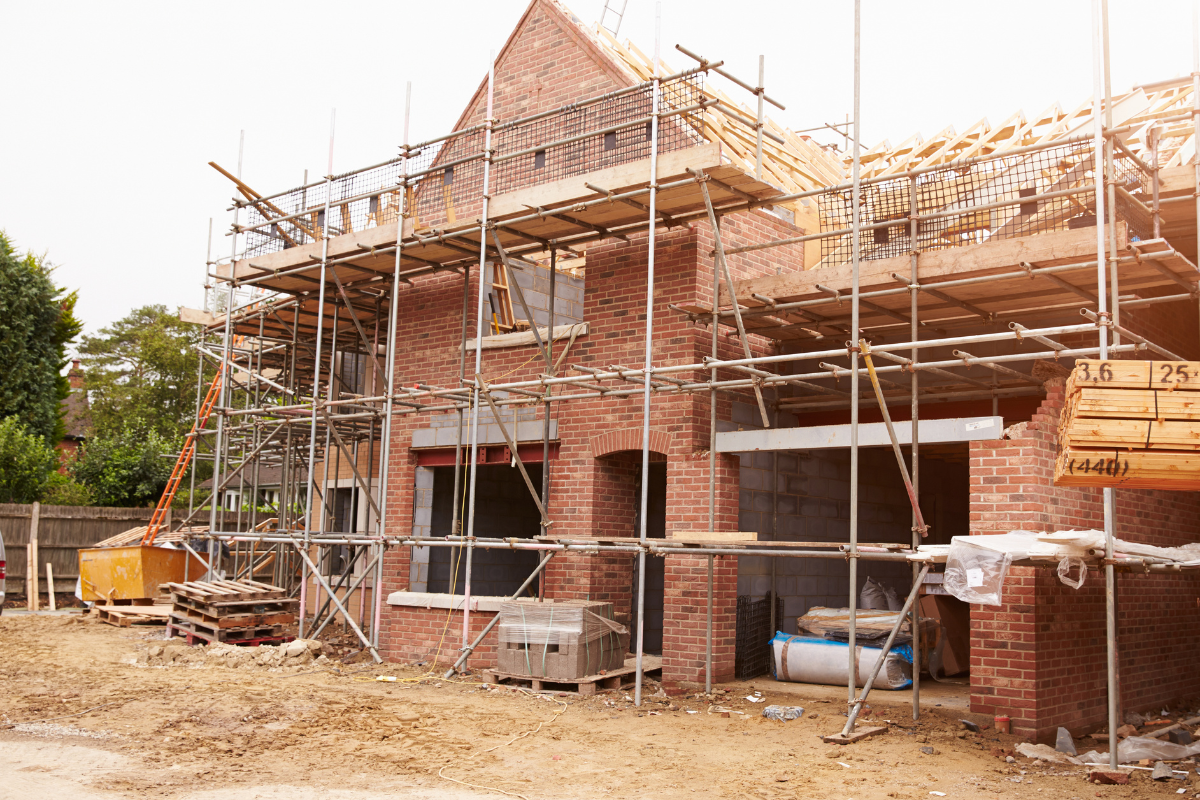
New build sections, home extensions and loft conversions often require scaffolding for several weeks, sometimes longer. Getting the design right from the start avoids costly alterations mid-project.
Solar Panel Installation
Cornwall leads the South West on solar adoption, and scaffolding is almost always required for a safe roof-level solar panel installation. If you’re getting panels fitted, your scaffolding company should be coordinating directly with your installer.

Scaffolding in Cornwall’s Coastal Towns: Specific Challenges
Narrow Streets and Restricted Access in Padstow, Newquay and St Ives
Many of Cornwall’s most-loved towns were built long before anyone considered vehicle access. Narrow lanes, tight junctions and busy pedestrian areas all create logistical challenges when it comes to delivering and erecting scaffolding. A company that works in these towns regularly will already know the planning requirements and the best approach for getting equipment in without causing unnecessary disruption to neighbours and passers-by.
Listed Buildings and Heritage Properties near the Coast
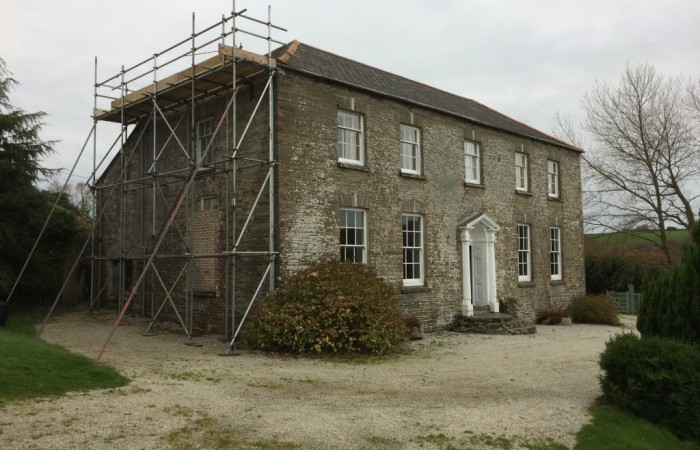
Cornwall has a high concentration of listed buildings, particularly in coastal areas. Scaffolding on or near a listed property requires care and, in some cases, specialist methods to avoid damage to historic fabric. If your property is listed, make sure your scaffolding company has relevant experience. It’s not just a matter of access; it’s about protecting something irreplaceable.
Holiday lets and how to time your project around your bookings
If you own a holiday let in Cornwall, every week the property is out of action costs money. Planning your scaffolding project carefully, ideally in the shoulder season between October and March, can significantly reduce your lost income. A good local scaffolder will work with your booking calendar.
How Cornwall’s Weather Affects Your Scaffolding Timeline
Planning Around Storm Season
Autumn and winter bring the highest risk of storm disruption to Cornwall. If you’re planning exterior work and want scaffolding up through the colder months, factor in the possibility of weather delays. That’s not a reason to avoid winter projects; plenty of work happens year-round, but it is a reason to build some flexibility into your schedule.
Why Summer isn’t Always the Easiest Time to Book
It might feel logical to plan your scaffolding project for the summer, but in Cornwall, that’s also peak season for almost every trade. Lead times get longer, access gets trickier in busy tourist towns, and if you own a holiday let, you probably don’t want scaffolding up during your highest-earning weeks. Early spring or late autumn tends to be the sweet spot for most domestic projects.
Emergency Scaffolding After Storm Damage
When a storm causes roof damage, the priority is protecting the property from further water ingress as quickly as possible. A temporary roof scaffold can be erected over damaged areas to allow emergency repairs to go ahead safely, whatever the weather is doing outside. If you’ve had storm damage, contact a local scaffolding company as soon as possible rather than waiting.
How to Choose a Scaffolding Company in Cornwall
Local Expertise vs National Firms
A national scaffolding company won’t know that a particular coastal road in Padstow floods when the tide’s high, or that a certain terrace in Newquay has a shared wall issue that needs careful handling. Local knowledge has a real impact on how smoothly your project runs.
Accreditations to Look For
Before you book a Cornwall scaffolder, check for CISRS (Construction Industry Scaffolders Record Scheme) cards, which confirm individual scaffolders are properly trained and assessed. Company-level accreditations worth looking for include NASC membership and SSIP certification, such as SMAS Worksafe. These represent a scaffold company’s commitment to safety standards.
Five Questions to Ask Before You Book
- Are your scaffolders CISRS-carded?
- Does the company hold public liability insurance, and what level of cover?
- Will you manage the licence application if scaffolding needs to go on the public highway?
- How do you handle equipment in coastal or exposed locations?
- What’s your process if the scaffold needs to be modified or extended mid-project?
Any reputable company should answer all five without hesitation.
How Much Does Scaffolding Cost in Cornwall?
Cornwall scaffolding costs vary depending on the size of your property, the complexity of the access required, how long the scaffold needs to be in place, and whether you need any additional elements such as a temporary roof or a public highway licence.
As a rough guide, a standard domestic scaffold for a two-storey semi-detached house typically starts from around £900 for a straightforward erect and dismantle. More complex projects, larger properties or anything involving coastal access challenges will cost more. The best way to get an accurate figure is to request a free site visit and quote, so we can assess the job properly rather than giving you a ballpark over the phone.
Get a Free Scaffolding Quote from 7 Bays
At 7 Bays Scaffolding, we’ve been working on properties across Cornwall for years. We know the towns, the weather, the challenges that come with coastal access and the questions that homeowners in this part of the world actually need answered.
If you’re planning a project, get in touch for a free site visit and no-obligation quote. Call us on 07957 981950 or fill in our contact form and we’ll get back to you as soon as we can.