
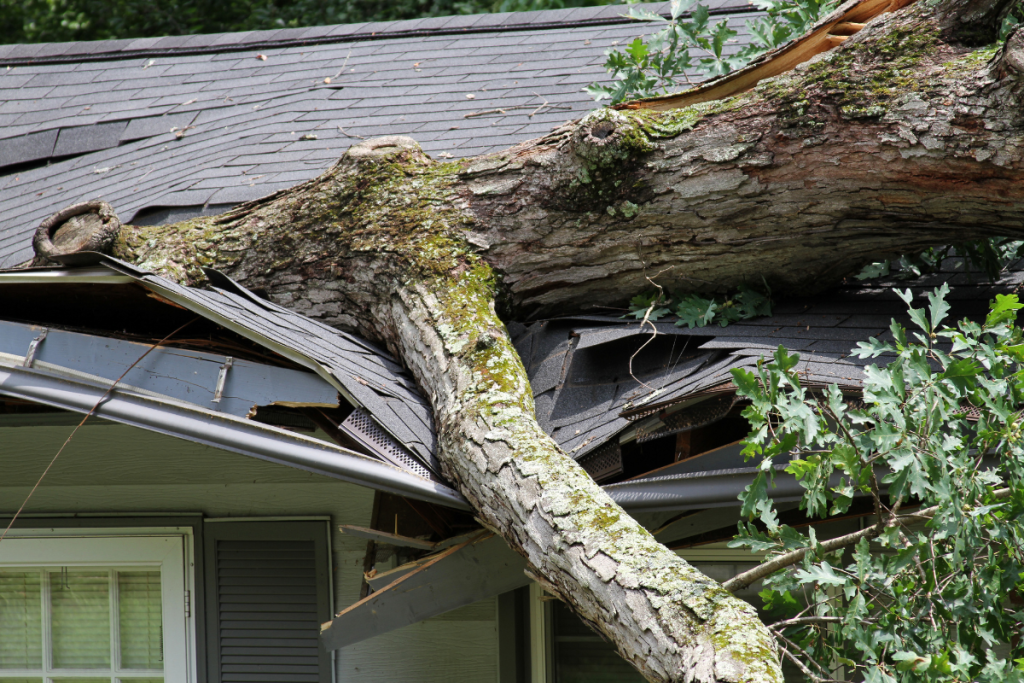
Storm Goretti has caused widespread disruption across Cornwall, with strong winds and driving rain leading to damaged roofs, dislodged tiles, weakened chimneys and, in some cases, significant structural exposure. In the aftermath of a storm of this scale, many property owners are faced with the same challenge: how to protect their building from further damage while repairs are assessed and arranged.
One of the most effective and immediate solutions is the installation of a temporary roof. Acting quickly can make a crucial difference in preventing long-term issues and keeping a property safe, dry and secure.
What Is a Temporary Roof?
A Protective Structure Installed Above Your Property
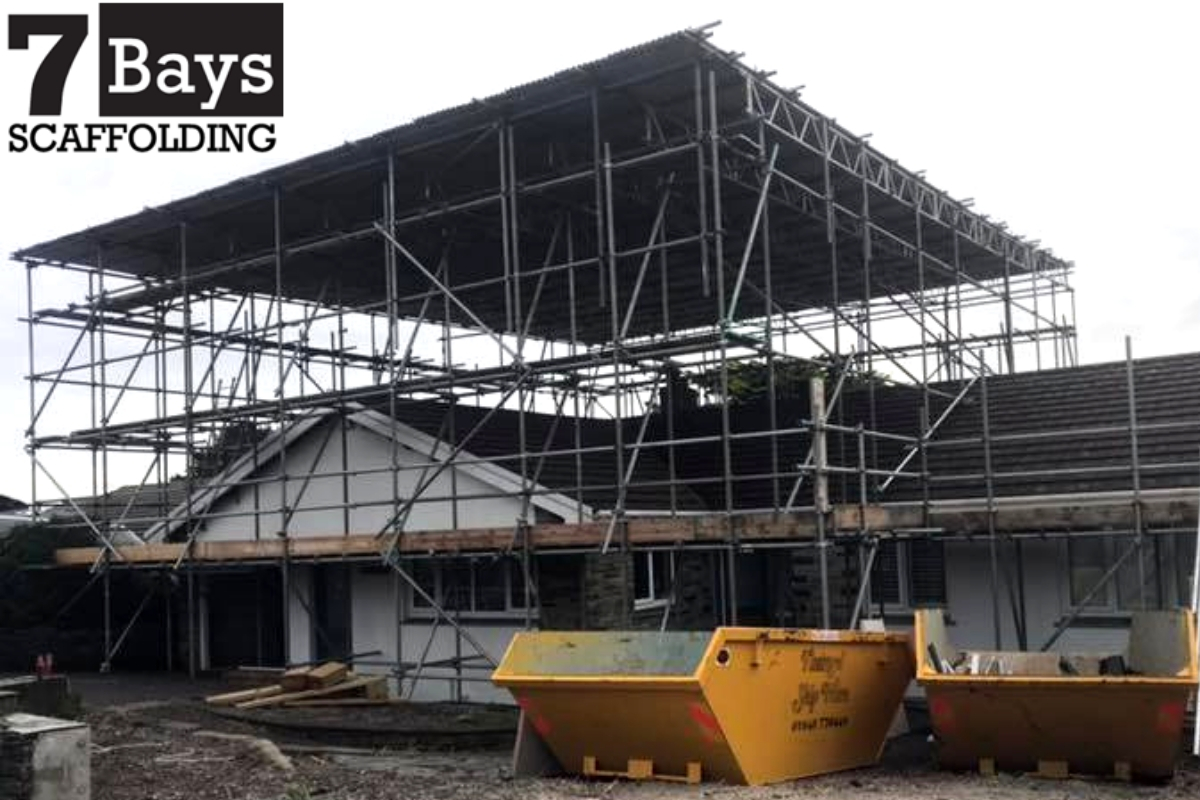
A temporary roof is a weatherproof covering installed over a building using a scaffold framework. It sits above the existing structure, creating a protective barrier that shields the property from rain, wind and further storm conditions.
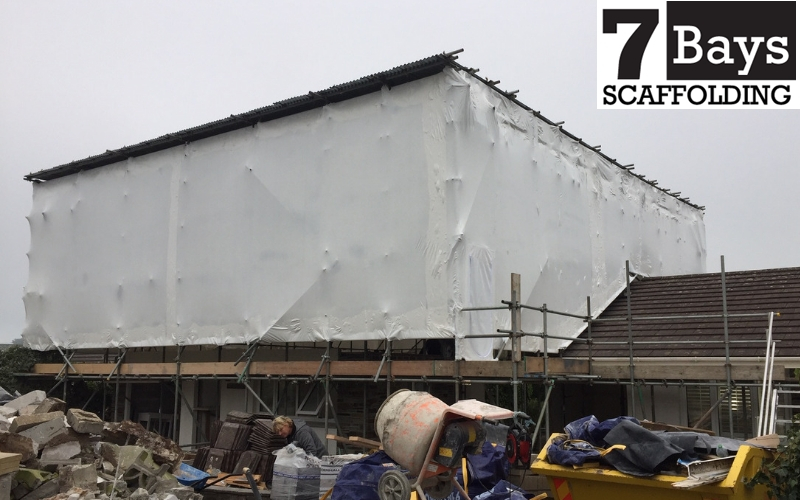
Temporary roofs are commonly formed using either tin sheeting or heavy-duty shrink-wrap systems, securely fixed to scaffolding. Once installed, they provide a fully covered working environment beneath, allowing repairs to proceed regardless of the weather.
Designed for Short-Term Protection, Built to Withstand Harsh Conditions
Although classed as “temporary”, these roofing systems are robust and designed to cope with ongoing poor weather. In Cornwall’s coastal climate, this level of protection is particularly important when repair schedules are delayed due to material availability, insurance inspections or continued unsettled conditions.
Why Temporary Roofing Is Essential After Storm Damage
Preventing Water Ingress and Internal Damage
When a roof is damaged or partially removed, even a small amount of rain can quickly cause extensive internal harm. Water ingress can affect ceilings, insulation, electrical systems and interior finishes, leading to increased repair costs and longer recovery times.
Installing a temporary roof immediately reduces the risk of further water penetration and helps preserve the condition of the building while the next steps are planned.
Protecting Structural Integrity
Storm damage often weakens roof timbers, masonry and chimney structures. Continued exposure to wind and rain can worsen these weaknesses and compromise the overall stability of the property. Temporary roofing helps to stabilise the environment and prevent existing damage from escalating.
Allowing Safe and Efficient Repair Work
Roof repairs are difficult and dangerous at the best of times, but become even more challenging in poor weather. A temporary roof creates a sheltered workspace, enabling roofers, builders and surveyors to carry out repairs safely, efficiently and without repeated delays due to rain or high winds.
Supporting Insurance and Assessment Processes
Following storm damage, insurance claims and structural assessments can take time. Many insurers expect property owners to take reasonable steps to prevent further loss. Installing a temporary roof demonstrates proactive action and can help avoid disputes or complications later in the claims process.
When Is a Temporary Roof the Right Solution?
Temporary roofing is commonly used where tiles or slates have been blown off, chimneys have been damaged, or large sections of roof need repair or replacement. It is also ideal when major works are planned but cannot begin immediately, or where repeated bad weather is slowing progress.
In many cases, temporary roofing provides reassurance and breathing space, allowing decisions to be made properly rather than under pressure.
How 7 Bays Scaffolding Can Help After Storm Goretti
Local, Reliable Support When It Matters Most
At 7 Bays Scaffolding, we understand Cornwall’s weather and the urgency that follows a major storm. Based locally, we are well placed to respond quickly to properties affected by Storm Goretti and similar severe weather events.
We work closely with homeowners, landlords, contractors and insurers to design and install temporary roofing solutions tailored to each building. Every structure is different, and our experienced team ensures the scaffold and roof covering are appropriate, secure and fully compliant.
From Emergency Response to Ongoing Support
Whether you need rapid access scaffolding, a full temporary roof installation, or a longer-term protective solution while repairs are carried out, we can help. Our aim is to reduce further damage, improve safety on site and allow repair work to continue with minimal disruption.
Acting Quickly Can Prevent Bigger Problems
After storm damage, time is critical. The sooner a property is protected, the lower the risk of additional costs, delays and complications. Temporary roofing is not just a stop-gap — it’s a vital part of protecting your building and managing recovery effectively.
If your property has been affected by Storm Goretti and you have roof damage or more, contact the friendly team of professionals here at 7 Bays Scaffolding to discuss temporary roofing options or arrange a site visit. We’re here to help Cornwall recover safely, securely and with confidence.