
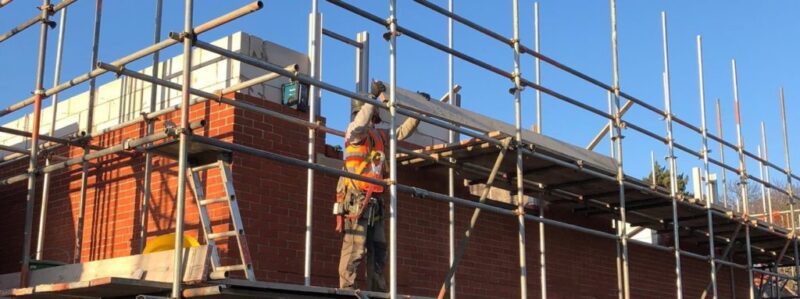
If you’ve booked scaffolding installation for a roofing job, renovation, or exterior repair in Cornwall, a little preparation before the team arrives can make a big difference. A well-prepared site means we can erect your scaffold safely and efficiently – with no unexpected delays that push back your project start date.
At 7 Bays Scaffolding, we work with homeowners, builders and contractors across Newquay, Padstow, Bodmin and the wider Cornwall area every day. And while our team will always work around obstacles where we can, a few simple steps from you beforehand can help everything run far more smoothly. Here’s exactly what to do before scaffolding arrives at your property.

Why Site Preparation Matters Before Scaffolding Installation
Scaffolding erection involves heavy materials, specialist equipment and a team of experienced scaffolders working at speed. If the access routes, ground conditions or surrounding area aren’t ready, it can slow the job down – or in some cases create genuine safety risks. Getting your site ready in advance also reduces the risk of damage to your property, vehicles, plants and fencing. A few minutes of preparation can save you hours of inconvenience on the day.
Step 1 – Clear and Confirm Access to Your Property
Make Sure Vehicles Can Get Close Enough
Our lorry or van will need to pull up as close to your property as possible to unload scaffolding equipment. Before the day, check that:
- There are no vehicles parked directly outside your property – including on the road or on your drive
- Any gates that need to remain open are unlocked and secured back
- The route from the road to your building is clear of bins, plant pots, furniture or garden tools
- If access runs down a narrow side passage, check that the width can accommodate equipment being carried through
If you live on a restricted street in Newquay or a narrow coastal lane in Padstow, let us know in advance. We’re experienced in working around tight access across Cornwall and can plan accordingly.
Inform Your Neighbours in Advance
If our vehicle or scaffolding will be close to neighbouring properties or will partially restrict the pavement or road, it’s good practice to give your neighbours a heads-up. A quick knock on the door or a note through the letterbox goes a long way.
Step 2 – Check the Ground Conditions Around Your Property
Identify Any Soft, Uneven or Hazardous Ground
Scaffolding base plates need to sit on stable, firm ground. Before the team arrives, walk around the perimeter of your property and look out for:
- Soft or waterlogged soil, especially after Cornwall’s wet winters
- Loose gravel, decking or paving slabs that may shift under load
- Underground drains, inspection covers or soakaways
- Sloping ground at the base of your walls
If you know of any underground services or drainage runs close to the building line, please let us know before work starts. This helps us position the standards safely and avoid any damage.
Remove Obstacles from the Building’s Perimeter
Take a walk around the outside of your home and remove anything within a metre or two of the walls, including:
- Garden furniture and decorative pots
- Wheelie bins and recycling boxes
- Hosepipes, garden tools and external lighting
- Children’s toys, bikes or trampolines
- Satellite dishes or external cables at lower levels (if easily removable)
The clearer the working area around the base of your property, the faster and safer the scaffold erection will be.
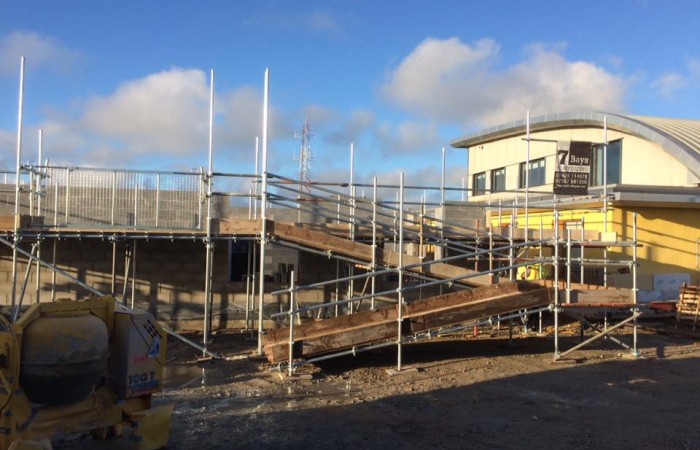
Step 3 – Consider Your Boundaries and Neighbouring Land
Where Will the Scaffolding Footprint Sit?
In some cases (particularly with semi-detached or terraced properties) scaffolding may need to sit partially on shared ground or the boundary between properties. If this applies to your home, speak to your neighbour beforehand and confirm they’re happy with this arrangement.
In the majority of cases, scaffolding that sits entirely within your own private boundary doesn’t require any additional permissions. However, if any part of the structure will extend over a public footpath, road or highway, a scaffolding licence from Cornwall Council may be required. Our team handles this on your behalf — you can read more in our complete guide to scaffolding licences in Cornwall. Licences typically take 7–10 working days to approve, so the earlier you get in touch with us if you think you might need one, the better.
Protect Delicate Planting or Landscaping
If you have raised beds, borders or ornamental planting directly against the walls of your property, it’s worth temporarily relocating any vulnerable plants or laying down protective sheeting. Scaffolding poles and boards will be placed as carefully as possible, but it’s always best to move anything fragile out of the way in advance.
Step 4 – Secure the Inside of Your Property
Move Furniture Away from External Walls
During scaffold erection, there may be some vibration through the walls of your home, particularly during drilling or fixing into masonry. As a precaution:
- Move pictures, mirrors or shelving away from external walls
- Secure any ornaments or glassware that sit on surfaces near outside walls
- Remove anything from windowsills that could be knocked over
Plan for Restricted Window Access
While scaffolding is up, some windows may be partially obstructed or easier to access from the outside. During the works, keep ground floor windows that face the scaffold closed when unattended – particularly at night. We’ll always discuss the specific scaffold design with you and ensure you understand which windows may be affected.
Step 5 – Think About Parking and Traffic Management
Arrange Temporary Parking Elsewhere If Needed
If you use a driveway that sits directly beneath or adjacent to where the scaffold will stand, you may need to move your vehicle on the day of erection and keep it elsewhere during the project. Let us know your parking situation in advance so we can factor this into our planning.
Step 6 – Communicate With Your Scaffolding Team
Be Available on the Day of Erection
It’s always helpful if you or your main contractor can be on site (or at least contactable by phone) on the day the scaffold goes up. This means that if our team spots anything unexpected, such as unusual ground conditions, restricted access or changes to the design brief, we can discuss it with you quickly and keep the job moving.
Share Any Relevant Site Information in Advance
The more we know about your property before we arrive, the better prepared we’ll be. Useful information to share with us includes:
- Any known underground services or drainage runs
- Overhead power lines or cables close to the scaffold area
- Any access restrictions, parking limitations or time-sensitive considerations
- Details of the work being carried out, so we can design the scaffold accordingly
We’re always happy to visit the site for a free assessment before the job begins – just give us a call!
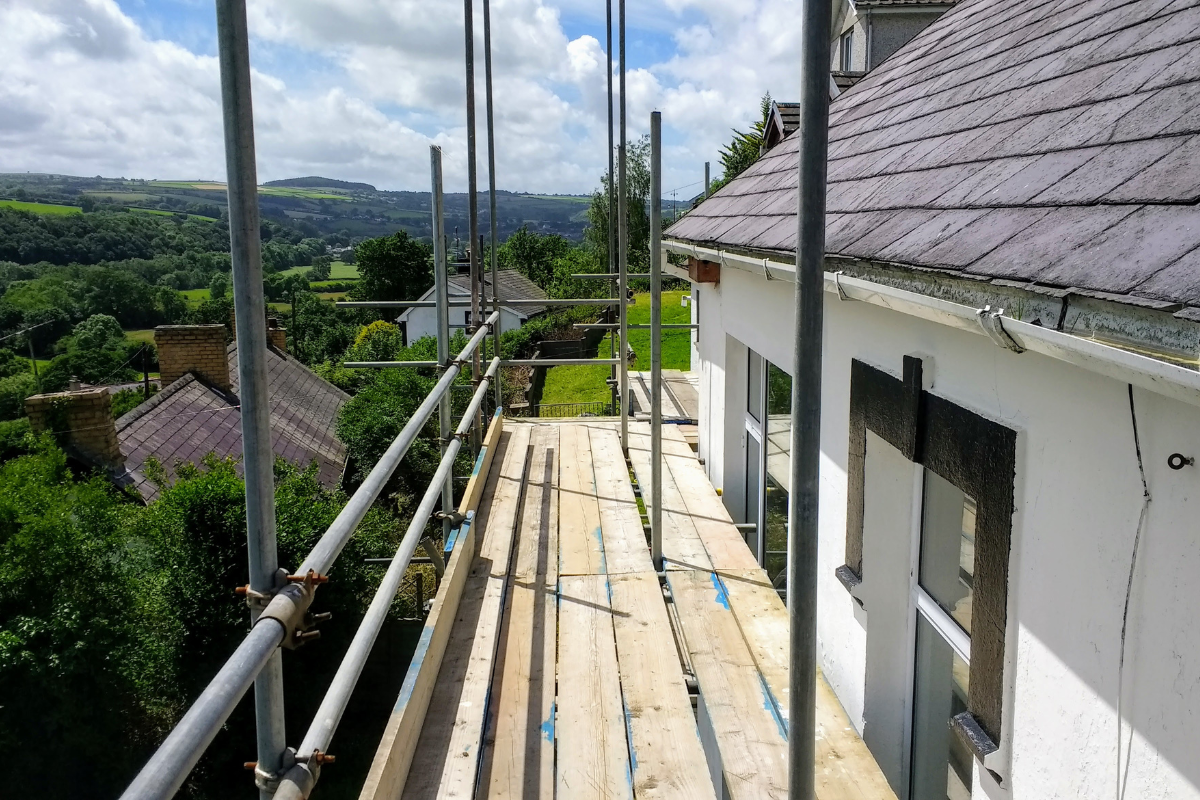
A Quick Pre-Scaffolding Installation Checklist
Before your scaffolding installation day, run through this checklist to make sure you’re ready:
- Parking cleared in front of and around the property
- Access routes and gates opened and unobstructed
- Perimeter of the building cleared of furniture, bins and garden items
- Vulnerable plants and landscaping protected or relocated
- Neighbours informed, especially if access or the pavement will be affected
- Any underground services or drainage communicated to our team
- Vehicles moved from driveways beneath the scaffold area
- Windows and external doors that face the scaffold checked and secured
- Contact number confirmed with the scaffolding team for the day
Ready to Book Your Scaffold? We’re Here to Help
Whether you’re planning a roof replacement in Newquay, a full renovation in Padstow or exterior repairs anywhere across Cornwall, the team at 7 Bays Scaffolding is here to make the whole process simple and stress-free, from initial quote through to scaffold installation.
If you have any questions about preparing your site or you’d like to book a free site assessment, get in touch with us today. Call us on 07957 981950 or email us at 7baysscaffold@gmail.com. We’ll be happy to talk through your project and ensure everything is in place before the scaffolding arrives.

Scaffolding Installation – FAQs
Q: How long does scaffolding installation take?
A: For a standard domestic property, scaffolding installation typically takes between two and four hours. Larger or more complex structures can take a full working day. The exact time depends on the size of the scaffold, site access, and ground conditions. We’ll always give you a clear timeframe during your free site assessment.
Q: Do I need to be home during scaffolding erection?
A: You don’t need to be present throughout, but you should be contactable by phone on the day. If our team encounters unexpected access issues or needs a quick decision about the design, being reachable keeps the job on track and avoids unnecessary delays.
Q: What can I do to prepare for scaffolding installation at my property?
A: Clear the access route, move vehicles from the driveway and road outside, and remove anything from around the building’s perimeter – bins, garden furniture and plant pots. Let your neighbours know, flag any underground drainage to our team, and move fragile items away from external walls inside your home.
Q: Is scaffolding disruptive to neighbours?
A: Most domestic scaffold installations are completed within a few hours during normal working hours. There will be some noise and a vehicle parked nearby, and pavement access may be temporarily restricted. Giving neighbours advance notice makes a big difference and avoids any unnecessary frustration.
Q: Will scaffolding damage my garden, driveway or walls?
A: Not when carried out by an experienced team. We use base plates to protect hard surfaces and take care around planted areas and fencing. To reduce any risk further, move delicate plants beforehand and flag any surfaces you’re concerned about when we carry out your site assessment.
A: Does scaffolding installation require a permit or licence in Cornwall?
A scaffolding licence is required whenever any part of the installation sits on or overhangs a public footpath, road or pavement, which applies to many properties in Cornish towns. The licence is issued by Cornwall Council and takes around 7–10 working days to approve. Here at 7 Bays Scaffolding, we handle the entire application process on your behalf.